
Thể loại
Blog mới nhất
Trong các hệ thống thủy lực, các rủi ro về an toàn thường bị hiểu sai. Một trong những quan niệm sai lầm phổ biến nhất là coi lớp vỏ ống mềm thủy lực như một bộ phận chịu áp lực. Trên thực tế, hydraulic hose sheathing is designed primarily for oil spray containment and personnel protection , not for carrying internal system pressure.
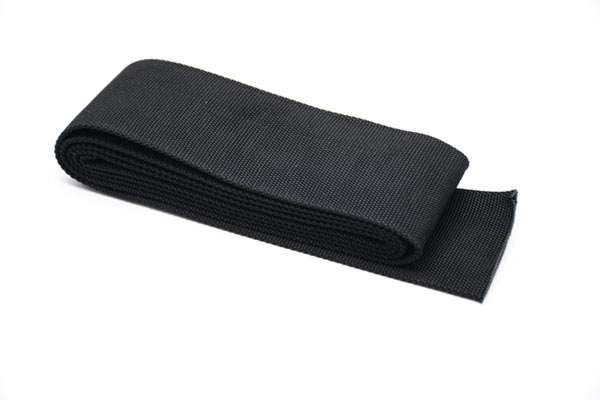
Pressure rating refers to the ability of a component to withstand internal fluid pressure without rupture. This applies to hydraulic hoses, valves, and fittings— not to external protective sheathing .
In applications such as pinch valves, hydraulic oil does not flow inside the sheathing. Under normal operation, the internal pressure inside the sheathing is effectively zero. The real risk arises when a hose, fitting, or valve fails and high-pressure oil is released at high velocity.
Hydraulic hose sheathing works by:
Blocking the direct spray path
Absorbing and dispersing jet energy
Converting dangerous oil jets into controlled seepage or dripping
| Sheat hing Type | Result |
|---|---|
| Low-density sleeve | Oil jet passes through → injury risk |
| High-density nylon sheathing | Jet hits fibers → dispersed → velocity reduced |
| Reinforced / dual-layer sheathing | Enhanced containment → high-risk spray controlled |
As long as the sheathing can disperse and redirect oil spray , it effectively protects personnel and surrounding equipment.
The PN (Pressure Nominal) rating defines the safe operating pressure of valves and piping , not the sheathing. However, PN ratings help assess spray risk level , which guides protective sheathing selection.
| System PN Rating | Spray Risk | Recommended Sheathing |
|---|---|---|
| PN6 | Low | Basic or optional |
| PN10 | Medium | High-density nylon sheathing |
| PN16 | Medium–High | Reinforced or dual-layer |
| PN25+ | High | Multi-layer or rigid protection |
Hydraulic hose sheathing is a secondary safety barrier—essential for industrial risk control.




 Tiếng việt